

Mexico City Neighborhoods: Where To Stay & How To Choose
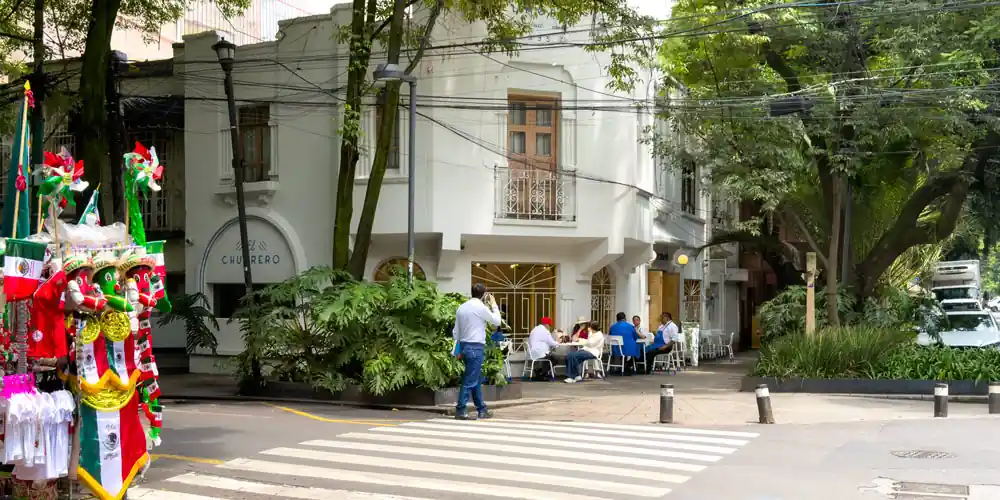 A churrero on a leafy street in the Condesa neighborhood - Mark Craft
A first visit to Mexico City usually focuses on a small group of neighborhoods. The historic center concentrates the main landmarks, while Roma, Condesa, and Polanco are where cafes, restaurants, and daily life come into focus.
Roma and Condesa revolve around cafes, parks, and evenings out. Polanco is defined by wider streets, embassies, luxury shopping, and many of the city’s five-star hotels. Centro Histórico is the historic core, with major plazas, churches, and markets within walking distance.
Where Most Visitors Stay In Mexico City
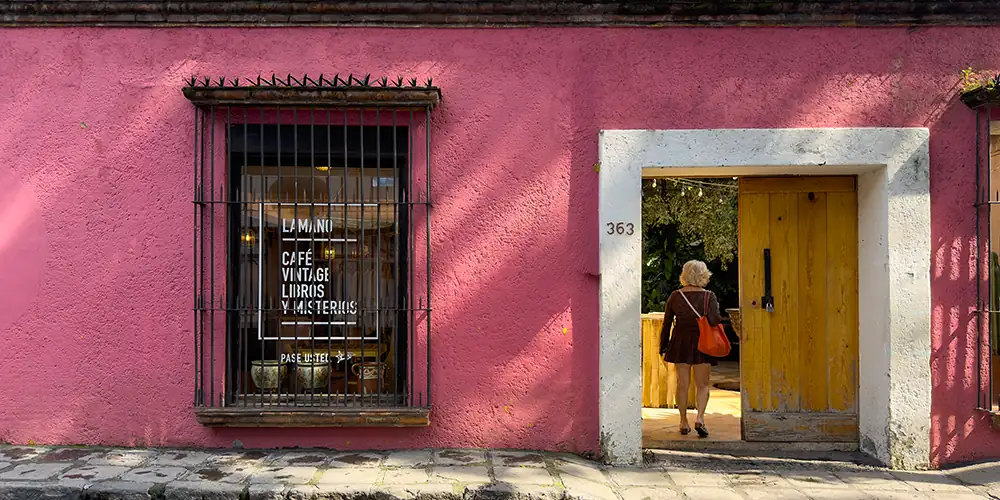 A cafe in Coyoacán, a popular Mexico City neighborhood - Mark Craft
Most visitors focus on a small group of neighborhoods when choosing where to stay. Roma Norte and Condesa are the most common starting points, with walkable streets, a strong restaurant scene, and a mix of boutique hotels. Polanco offers a more polished setting, with luxury hotels and close access to major museums, while Centro Histórico places the city’s main landmarks within walking distance.
Each area suits a different kind of stay. Roma and Condesa revolve around cafes, parks, and evenings out. Polanco features wider boulevards, high-end shopping, and a quieter setting. Centro Histórico is the most direct choice for sightseeing, with the main squares, churches, and museums close together.
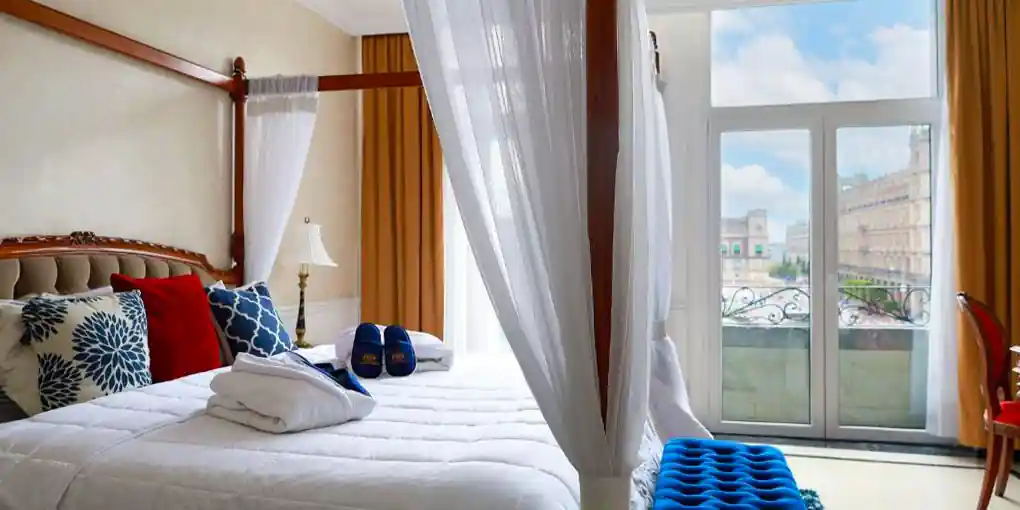
Find Your Mexico City Hotel
The best Mexico City hotels book up fast, and a good location saves time every day. This search pulls together top-rated 5-star stays with strong reviews in the key neighborhoods. It's easy to compare and to book with confidence.
Roma Norte
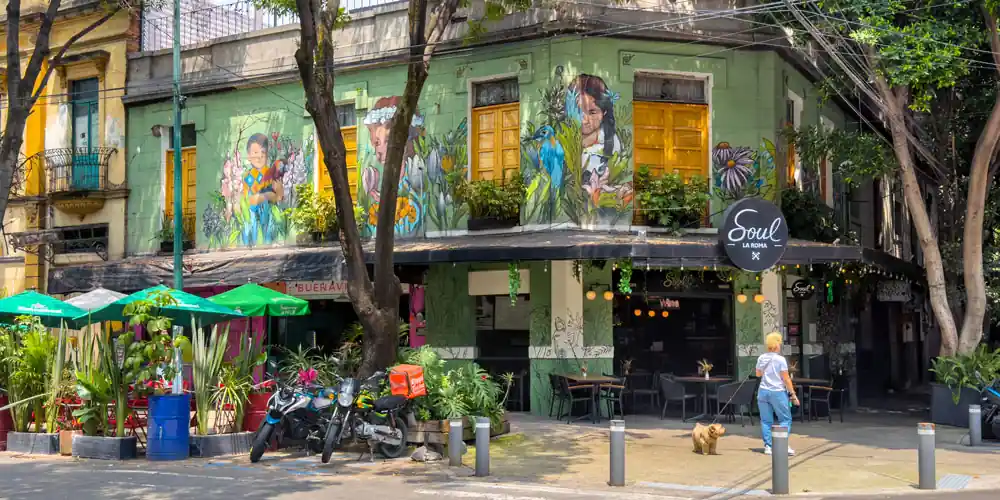 A street corner in Roma Norte - Mark Craft
Roma Norte is built around a network of leafy streets and early 20th-century buildings, with cafes, bakeries, and restaurants spread across the neighborhood. Streets like Álvaro Obregón and Colima draw the most activity, but much of the appeal comes from walking a few blocks in any direction and finding smaller places along the way.
Hotels in Roma Norte are typically boutique properties set in restored houses or low-rise buildings. Many focus on design and location, with restaurants and cafes close at hand. It suits visitors who plan to spend time in the neighborhood, moving easily between meals, cafes, and nearby streets.
Centro Histórico
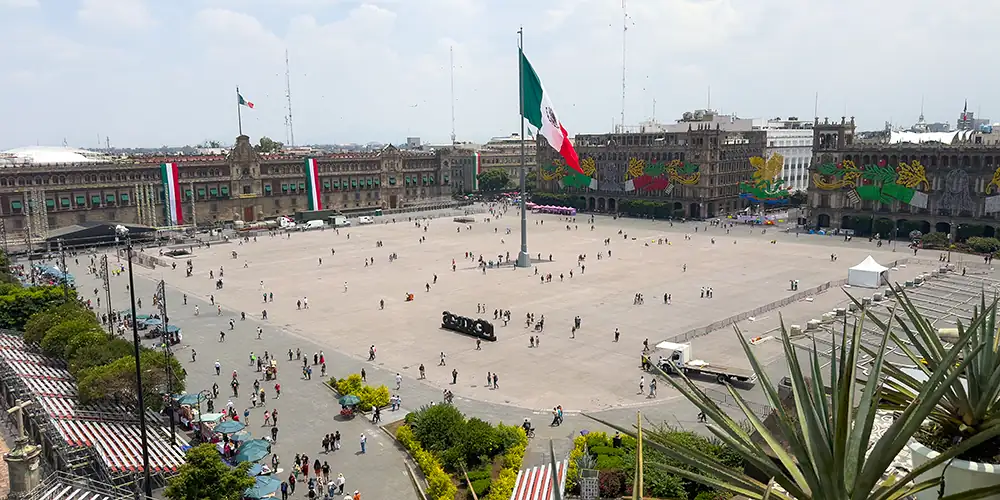 Zocalo, the huge central plaza in the historic center - Mark Craft
Centro Histórico is the city’s historic core, with major landmarks clustered around the Zócalo, the city’s main square, and within walking distance of one another. The Metropolitan Cathedral, Palacio de Bellas Artes, and a network of museums, shops, and markets sit within a compact area that stays active through the day.
Hotels range from smaller properties in restored buildings to larger, more traditional hotels along the main avenues. It’s the most direct base for sightseeing, especially for a first visit focused on the city’s main squares, churches, and museums.
See Hotels In Centro Histórico →
Condesa
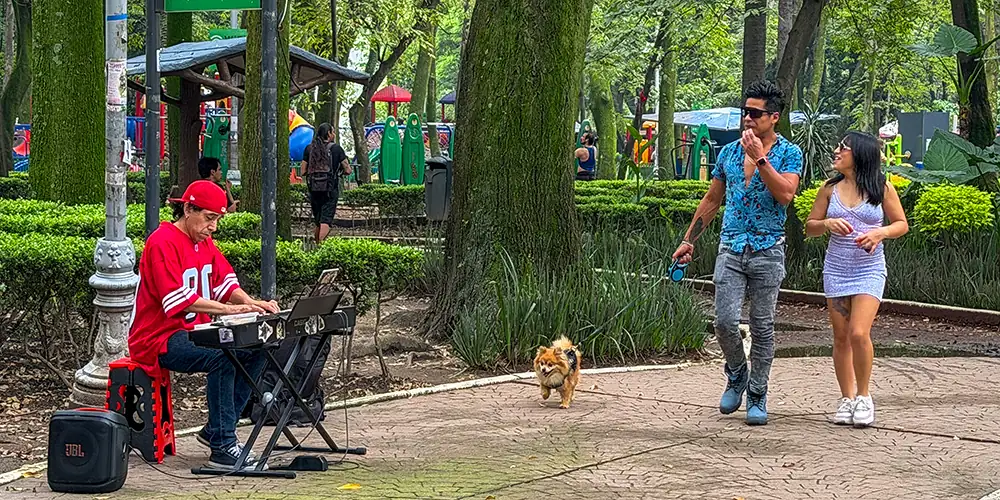 Parque México, the heart of Condesa - Mark Craft
Daily life in Condesa plays out in and around its parks, where people walk dogs, meet for coffee, and spend time outdoors under the trees. Art Deco buildings line many of the streets, and cafes and restaurants sit along the park edges and nearby avenues.
Hotels in Condesa are generally small and well-placed within the neighborhood, often a short walk from the parks. Many are set in low-rise buildings that match the scale of the streets, with a focus on location and design rather than extensive services. It suits visitors who want green space nearby and a neighborhood that remains active through the day and into the evening.
Coyoacán
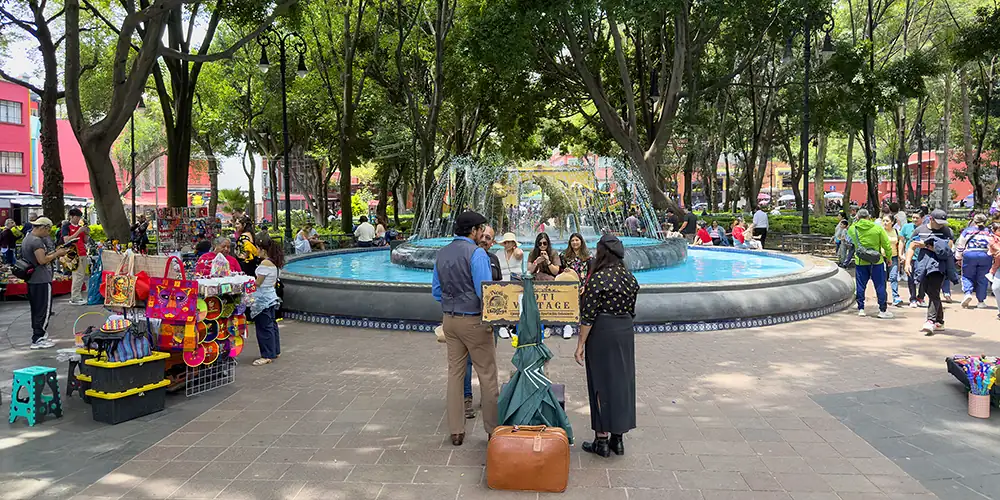 Sunday at Plaza Coyoacan, around its famous fountain - Mark Craft
Coyoacán sits south of the center, with plazas, churches, and shaded streets defining the neighborhood. It is known for the Frida Kahlo Museum (Casa Azul) and a cluster of markets, cafes, and small shops around Jardín Hidalgo and Plaza Centenario. Weekends bring more visitors to the main squares.
Hotels in Coyoacán are smaller and fewer, often set within residential streets. Stays here are quieter, with cafes and local restaurants nearby. It’s a practical base for visiting the Frida Kahlo Museum, with a slower rhythm than the central districts.
Polanco
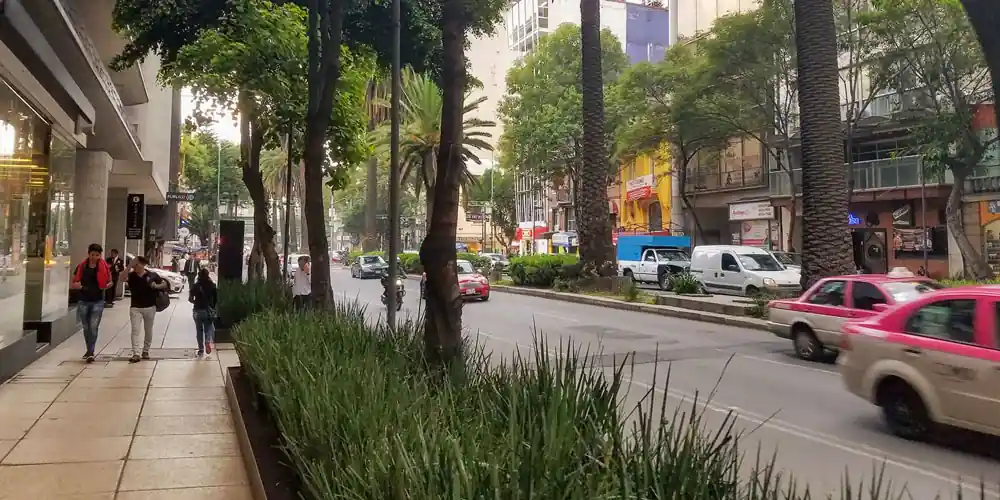 Streets of Polanco - Market Urbanism, Nolan Gray
Polanco is defined by wide boulevards, formal streets, and a concentration of museums, restaurants, and high-end retail. Avenida Presidente Masaryk runs through the center, lined with international brands and some of the city’s most prominent restaurants, while Chapultepec Park and several major museums sit just to the south.
Hotels in Polanco are larger and more full-service than in other neighborhoods, with many of the city’s luxury properties located here. Rooms tend to be more spacious, and amenities such as on-site dining, concierge services, and business facilities are standard. It suits visitors who prioritize comfort, consistent service, and close access to museums and shopping.
Find Your Mexico City Hotel
The best Mexico City hotels book up fast, and a good location saves time every day. This search pulls together top-rated 5-star stays with strong reviews in the key neighborhoods. It's easy to compare and to book with confidence.
Find The Right Mexico City Hotel
In Mexico City the neighborhood often matters more than the hotel.
Compare highly-rated hotels in Roma Norte, Condesa, Polanco, Coyoacán, and Centro Histórico.