

Things To Do In Mexico City: How To Plan Your Days
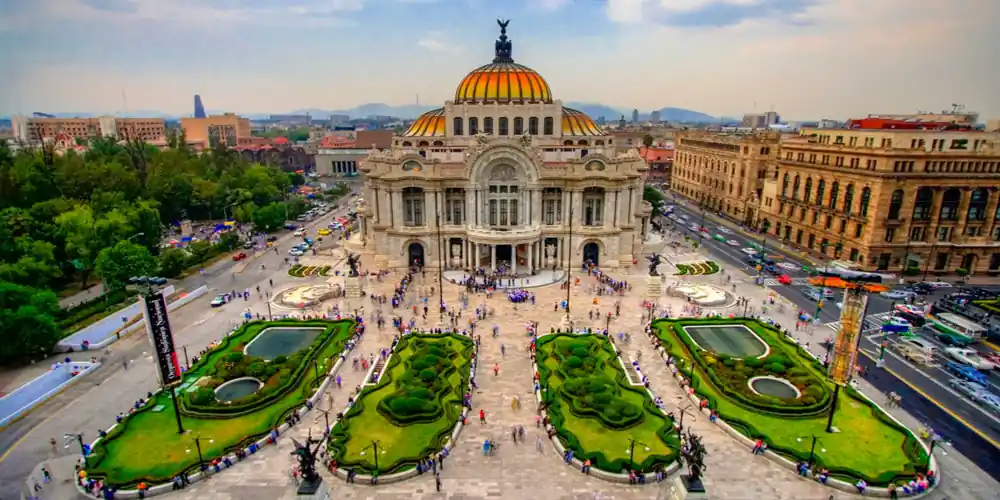 Palacio de Bellas Artes sits at the center of Mexico City’s historic core
Mexico City rewards travelers who plan ahead. The city is large, layered, and spread across distinct areas, with major museums in Chapultepec, historic landmarks around the Zócalo, food and design in Roma and Condesa, and village-style days in Coyoacán and Xochimilco.
Plan one tour a day and leave time to explore the neighborhood on your own. A morning at a major museum or a guided tour fits well with an afternoon in a nearby neighborhood, spending time around cafés, markets, and streets made for strolling.
Walk The Historic Center
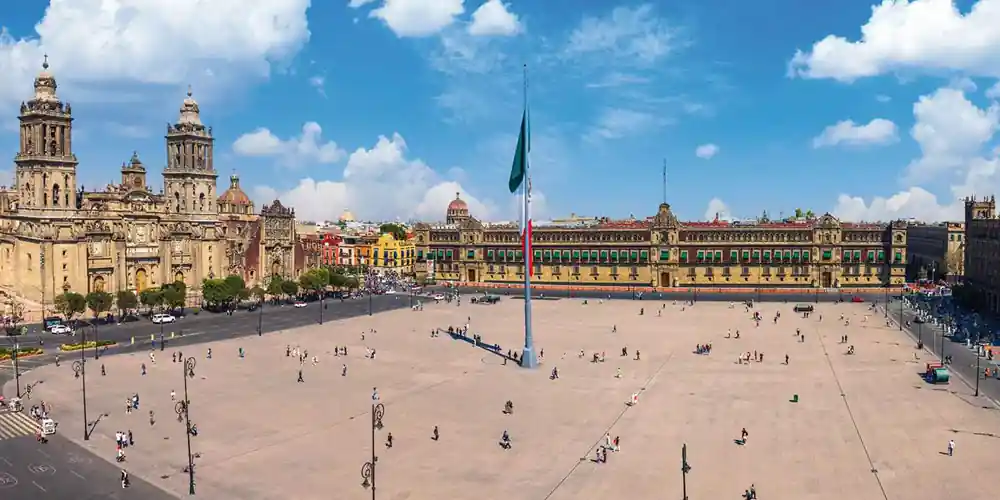 The Zócalo is the center of Mexico City's Historic Center.
The Historic Center spreads out from the Zócalo, with the Metropolitan Cathedral, Templo Mayor, Palacio de Bellas Artes, and other major landmarks a short walk apart. Colonial buildings, arcades, and government offices line the streets between them.
The walk follows the city's historic core, stopping at the cathedral, Templo Mayor, and other landmarks as a guide explains the people, events, and architecture behind each one. The route stays within the Historic Center from beginning to end.
Visit The National Museum of Anthropology
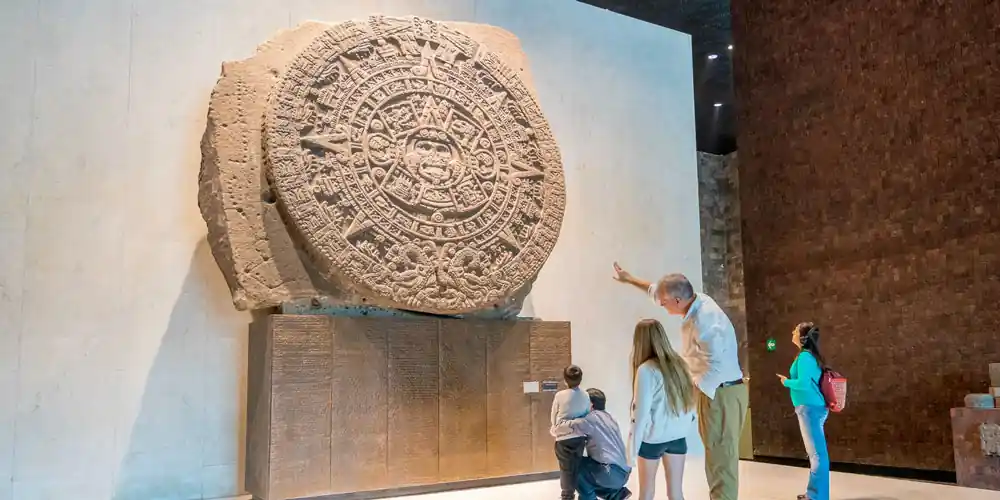 The Aztec Sun Stone is the museum’s most famous work
The National Museum of Anthropology holds the largest collection of pre-Hispanic artifacts in Mexico – organized by culture, from the Olmec and Maya to the Mexica. Key pieces like the Aztec Sun Stone and the reconstructed tomb of Pakal sit within galleries filled with sculpture, ceremonial objects, and carved stone monuments.
The tour visits the museum's principal galleries as a guide explains the civilizations behind the objects on display. It follows the museum's permanent collection, with time at the works that have made it one of Mexico City's essential museums.
Taste Mexico City On A Food Tour
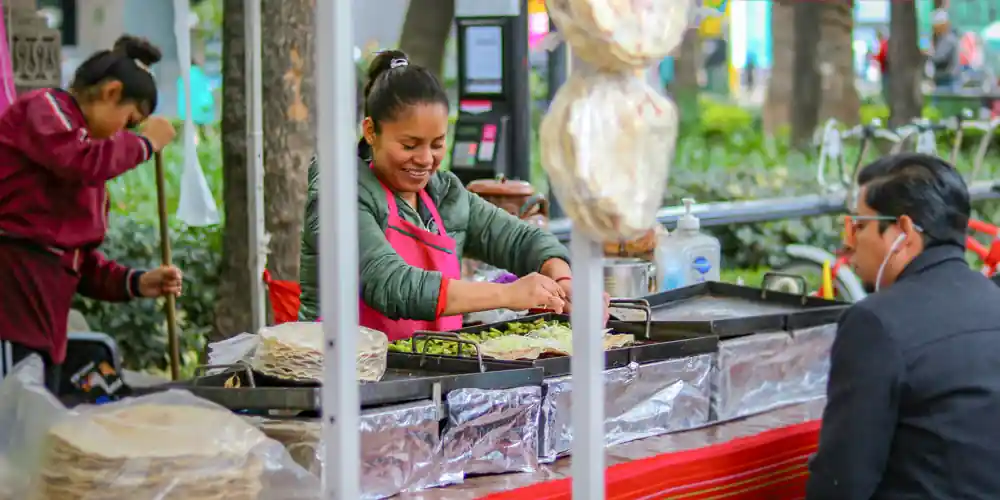 Street food is part of every good Mexico City food tour
Food stalls, bakeries, and taquerias line the streets around the Historic Center, serving tacos, tamales, and regional specialties that have been part of the city's daily life for generations. Markets, family-run kitchens, and long-established counters sit within a few blocks of one another.
The tour stops at a series of local eateries, with tastings that range from street tacos and tamales to traditional sweets and regional dishes. Each stop introduces a different part of Mexico City's food culture, with enough served to replace a meal.
Visit Coyoacán Through Frida Kahlo’s Story
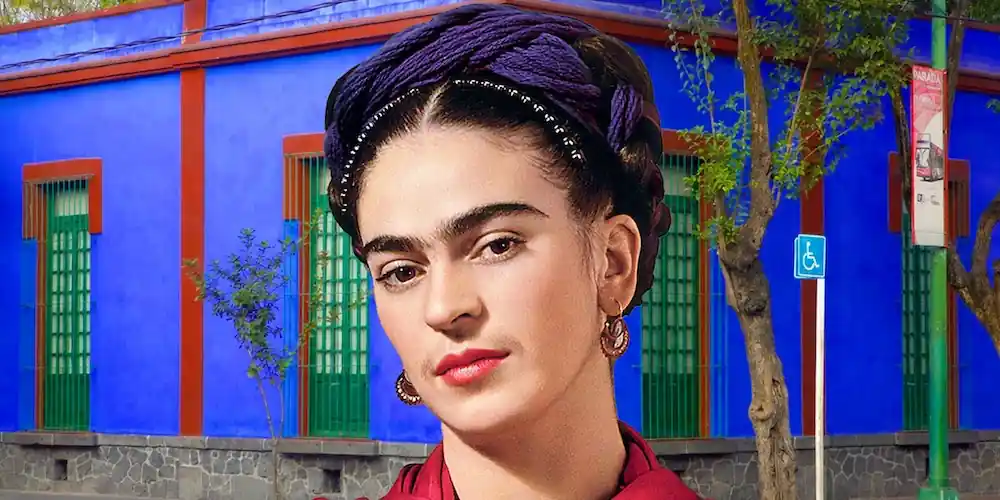 Casa Azul is closely tied to Frida Kahlo’s image and life in Coyoacán
Coyoacán centers on Jardín Hidalgo and Plaza Centenario, where churches, arcades, cafés, and market streets reflect the neighborhood's long history. A short walk away, the Frida Kahlo Museum preserves the house where the artist lived, with her studio, personal belongings, and many of her best-known works.
The tour combines Coyoacán with nearby San Ángel, linking two of Mexico City's most historic neighborhoods in a single outing. Along the way, your guide shares the story of Frida Kahlo's life, her work, and her connection to the places you visit.
Watch Lucha Libre at Arena México
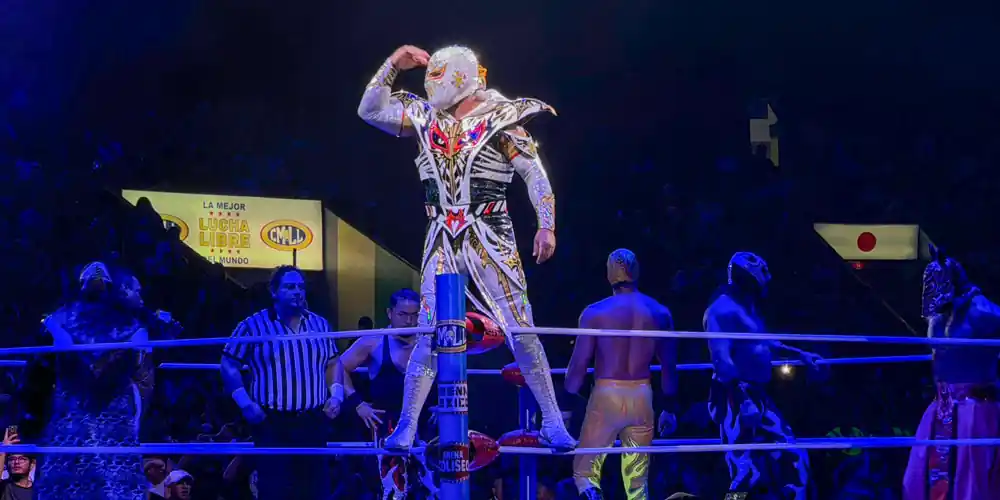 Matches at Arena México center on masked wrestlers and crowd reaction
Lucha libre takes place at Arena México, where masked wrestlers perform fast-moving matches built around rivalries, athleticism, and crowd participation. The arena fills with local spectators, vendors work the aisles, and the atmosphere builds from the opening bout to the final match.
The evening includes reserved seats, Mexican snacks, tequila, and a guide who explains the wrestlers, traditions, and match format before the action begins. It's an entertaining introduction to one of Mexico City's longest-running sporting traditions.
Fly Over Teotihuacán At Sunrise
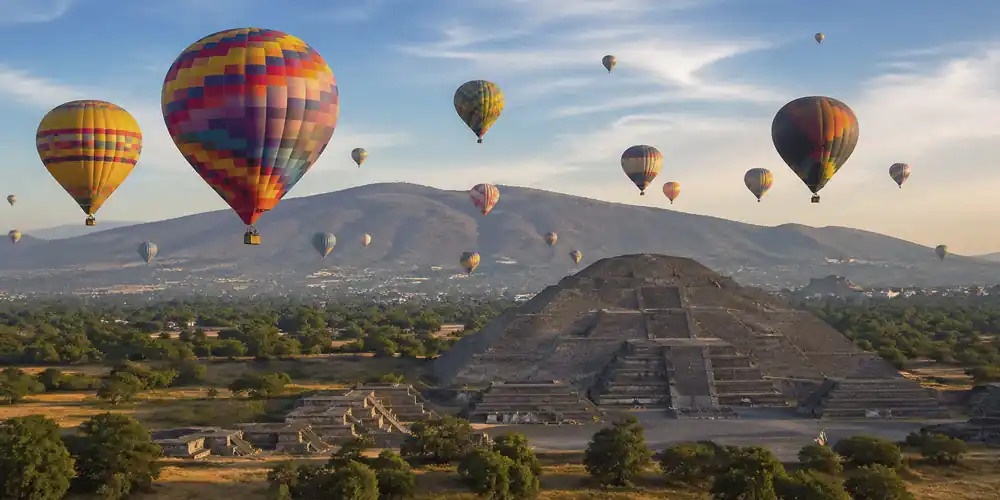 Balloon flights at Teotihuacán lift at sunrise over the pyramids
Teotihuacán is northeast of Mexico City, where the Pyramids of the Sun and Moon rise above a broad archaeological site laid out along the Avenida de los Muertos. From the air, the full layout of the ancient city comes into view, with the pyramids aligned across the valley floor.
The flight lifts at sunrise, when the light falls across the pyramids and the surrounding plain. The balloon drifts over the site at low altitude, with views across the full complex. After landing, the experience continues on the ground with time at the site, including access to the pyramids and a guided tour of the Basilica of Our Lady of Guadalupe.
Cruise The Canals Of Xochimilco
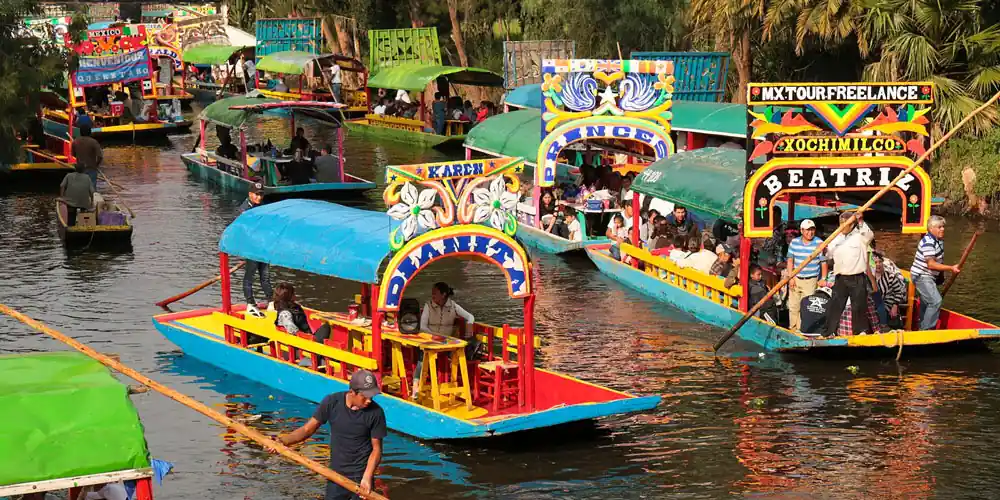 Trajineras fill the canals of Xochimilco
Xochimilco is found at the southern edge of Mexico City, where a network of canals runs between narrow agricultural plots known as chinampas. Flat-bottomed trajineras line the banks, each painted with names and bright colors. Boats drift along the canals, passing floating vendors, mariachi musicians, and other groups gathered on the water.
The tour includes a private trajinera with Mexican snacks and tequila served on board. As the boat moves through the canals, mariachi bands pull alongside to perform, vendors offer food and souvenirs from neighboring boats, and the traffic on the water becomes part of the experience.
Cycle To Mexico City's Best Taquerías
 Al pastor tacos are among the signature dishes on Mexico City taco tours
Roma and Condesa are home to some of Mexico City's best-known taquerías, each specializing in a particular style, from al pastor sliced from the spit to grilled meats served straight off the plancha. The ride stops at several of them, with tacos prepared fresh and eaten at the counter or outdoor tables.
Some taquerías appear in the Michelin Guide, alongside long-established the route passes through two of the city's most walkable districts, with broad avenues, parks, cafés, and residential streets forming the backdrop to the ride.
What To Book In Advance
Some experiences fill quickly, especially Casa Azul, Teotihuacán balloon flights, and smaller food tours.Others, like museum visits and walking tours, have more flexibility but still benefit from advance booking.
One activity is enough for most days. A morning tour leaves plenty of time for lunch, cafés, markets, and the neighborhoods around each destination.
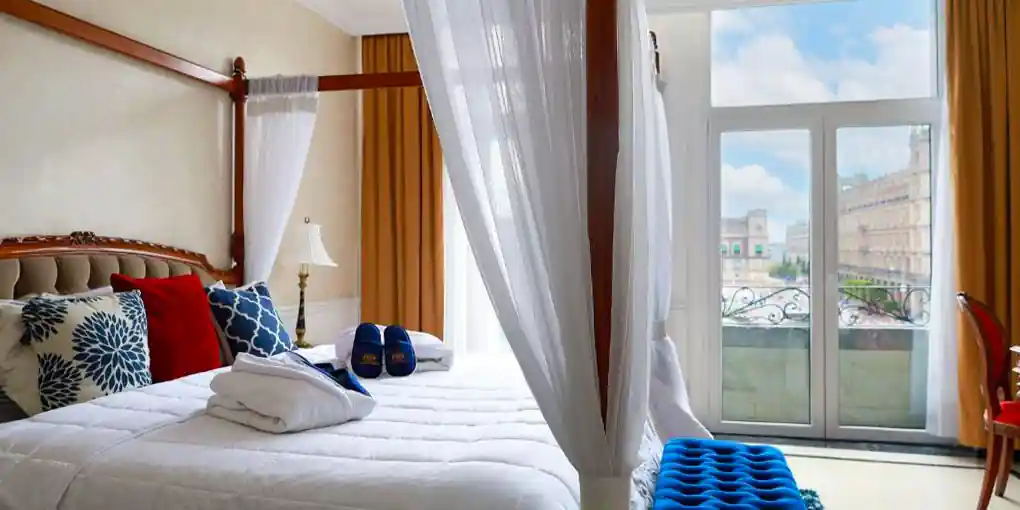
Find Your Mexico City Hotel
The best Mexico City hotels book up fast, and a good location saves time every day. This search pulls together top-rated 5-star stays with strong reviews in the key neighborhoods. It's easy to compare and to book with confidence.
Find The Right Mexico City Hotel
In Mexico City the neighborhood often matters more than the hotel.
Compare highly-rated hotels in Roma Norte, Condesa, Polanco, Coyoacán, and Centro Histórico.