

Mexico City Attractions – The City's Essential Places
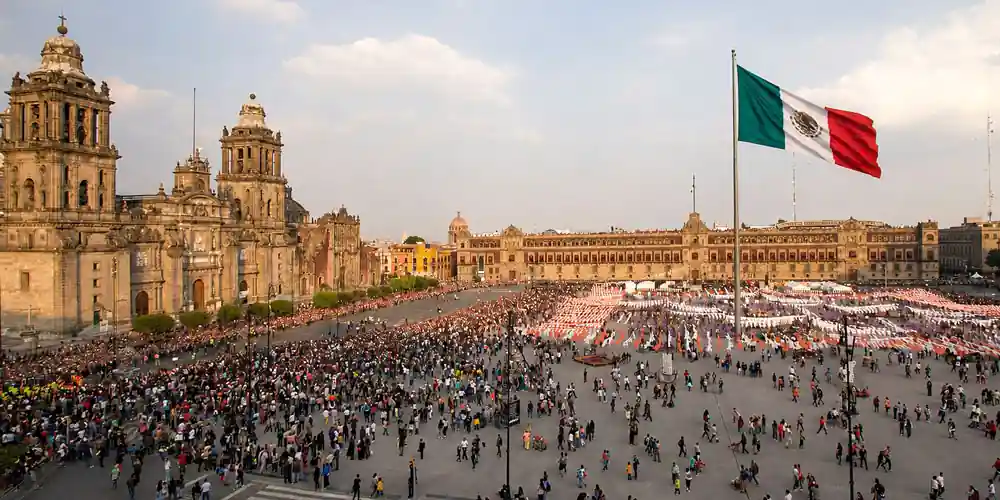 The Zócalo and Metropolitan Cathedral in the heart of Mexico City
Mexico City is Aztec temples, broad public squares, Spanish colonial churches, tree-lined parks, remarkable museums, colorful canals, and neighborhoods that each tell a different story. Few cities bring together so many distinct places within a single destination.
The historic center preserves the capital of the Aztec Empire beneath the streets of modern Mexico City. Chapultepec Park stretches across more than 1,600 acres, with museums, lakes, gardens, and Chapultepec Castle. Elsewhere, boats drift through the canals of Xochimilco, pilgrims gather at the Basilica of Guadalupe, and the pyramids of Teotihuacán rise beyond the city limits. Together, they shape a visit that reaches across centuries of Mexican history.
The Historic Center – Zócalo, Cathedral & Templo Mayor
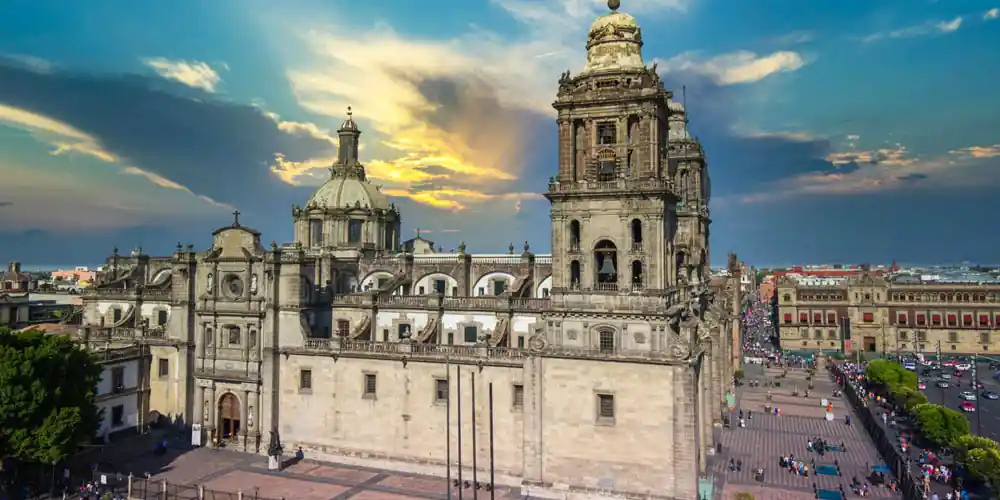 Metropolitan Cathedral overlooks the Zócalo in Mexico City's Historic Center
Mexico City's historic center brings together the city's Aztec and Spanish colonial past within a few blocks. The vast Zócalo plaza remains the civic heart of the capital, bordered by the National Palace and the Metropolitan Cathedral. Beneath the surrounding streets lie the remains of Tenochtitlan, the Aztec capital that stood here long before the arrival of the Spanish.
Next to the cathedral, the excavated Templo Mayor reveals part of the ceremonial center of the Aztec Empire. The museum displays sculptures, offerings, and artifacts uncovered during decades of archaeological work, while the ruins themselves show the scale of the original temple complex. Together, the Zócalo, cathedral, and Templo Mayor provide the clearest introduction to Mexico City's origins.
Historic Center Walking Tour →
Chapultepec Park & The National Museum of Anthropology
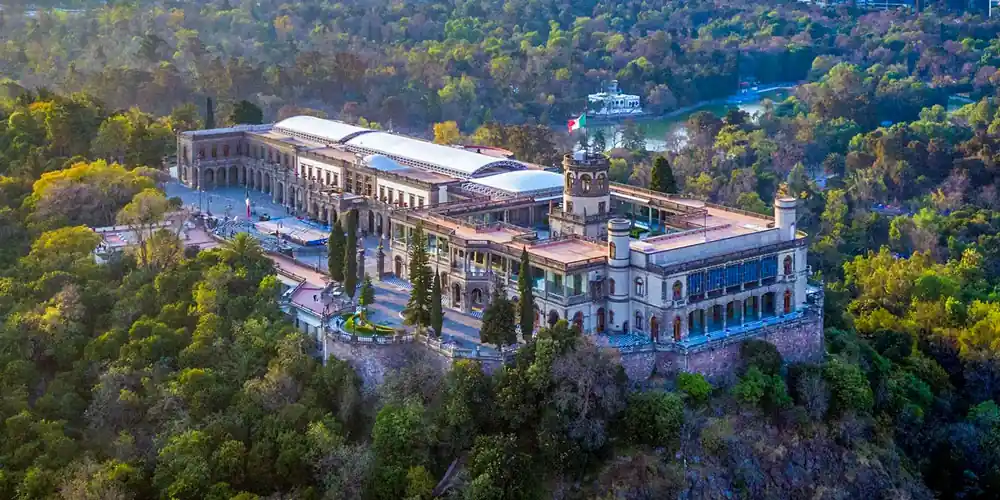 Chapultepec Castle in Chapultepec Park
Chapultepec Park covers more than 1,600 acres in the heart of Mexico City. Tree-lined avenues connect lakes, gardens, monuments, Chapultepec Castle, the National Museum of Anthropology, and other museums. The park has been part of the city's life for centuries, and today it draws walkers, runners, families, and visitors throughout the day.
Near the park's main entrance, the National Museum of Anthropology houses the country's finest collection of pre-Hispanic art and archaeology. The Aztec Sun Stone, monumental Olmec heads, and galleries devoted to Mexico's Indigenous cultures make it an essential stop. A guided museum tour helps bring the collection to life and highlights exhibits that are easy to miss when visiting independently.
National Museum of Anthropology Guided Tour →
Frida Kahlo Museum (Casa Azul)
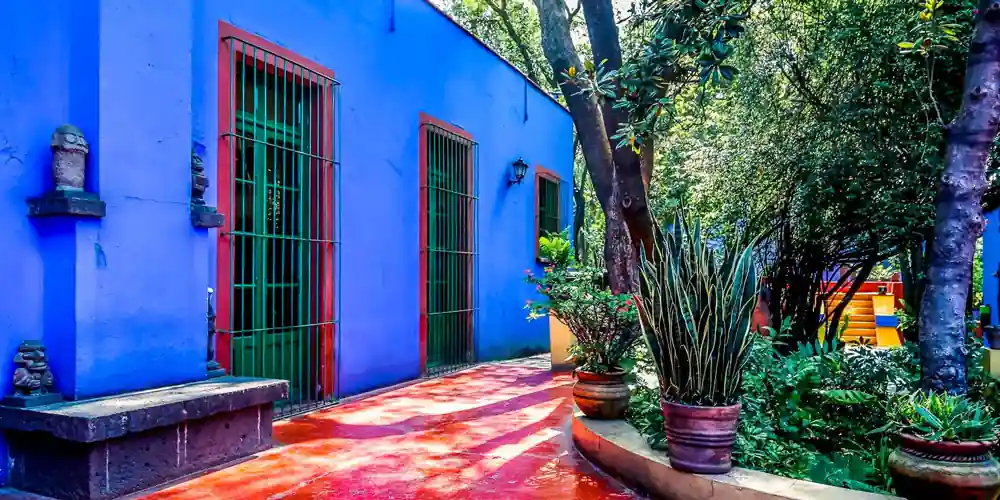 The garden courtyard at Casa Azul, Frida Kahlo's home in Coyoacán
The Frida Kahlo Museum preserves the house where the artist was born, lived for much of her life, and created many of her paintings. Better known as the Blue House (Casa Azul), it displays original artworks, personal belongings, photographs, clothing, and the rooms where Frida Kahlo and Diego Rivera lived together.
Located in Coyoacán, the museum gives a more personal view of Kahlo than a traditional art gallery. Timed entry is required, and tickets regularly sell out well in advance. Read more in our guide to the Frida Kahlo Museum.
Xochimilco's Historic Canals
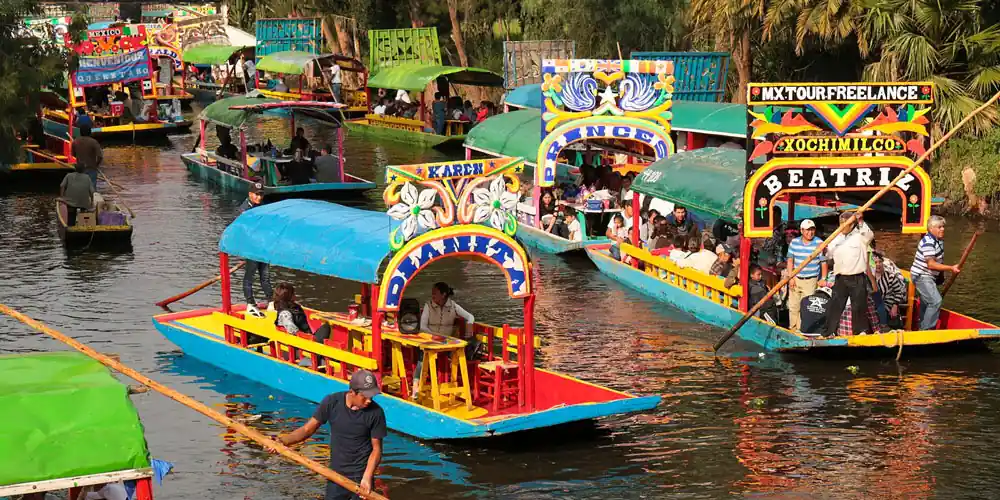 Trajineras fill the canals of Xochimilco
Xochimilco preserves part of the vast lake system that once surrounded the Aztec capital. Today, brightly painted trajineras glide along canals lined with trees, gardens, and small docks, offering a glimpse of a landscape that existed long before modern Mexico City.
A boat trip is the traditional way to visit, whether you choose a quiet weekday cruise or join the lively weekend atmosphere of families, musicians, and floating food vendors. Xochimilco lies well south of the historic center, so plan for a 60 to 90 minute car ride from the center.
Teotihuacán – City of the Pyramids
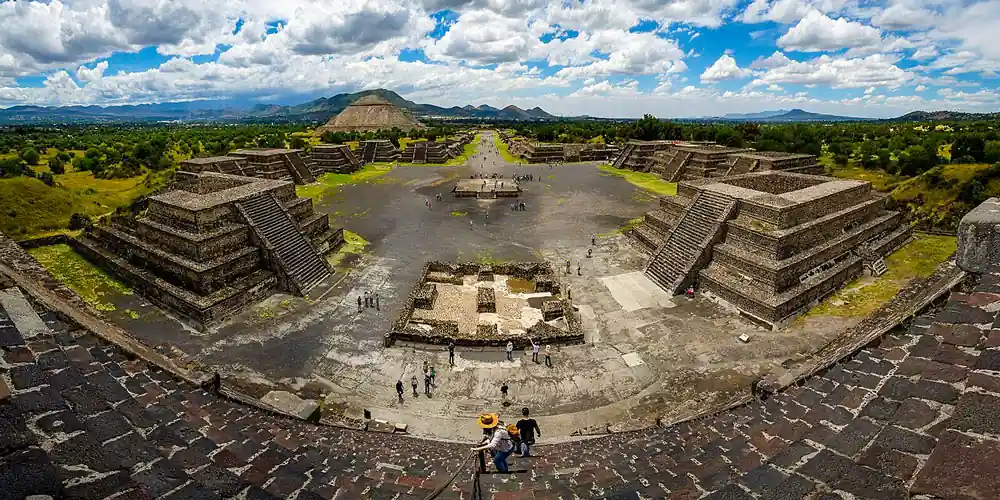 Panoramic view from the Pyramid of the Moon - Wikimedia, Rene Trohs
Teotihuacán was already an ancient city when the Aztecs arrived in central Mexico. The Avenue of the Dead, the Pyramid of the Sun, and the Pyramid of the Moon remain among the largest archaeological monuments in the Americas, revealing the scale of a civilization that flourished centuries before the Aztec Empire.
Located about an hour from Mexico City, Teotihuacán is the city's most popular day trip. Guided tours place the site in historical perspective and often include additional stops such as the Basilica of Guadalupe. See our guide to day trips from Mexico City for more options.
Palacio de Bellas Artes – Art Nouveau Architecture
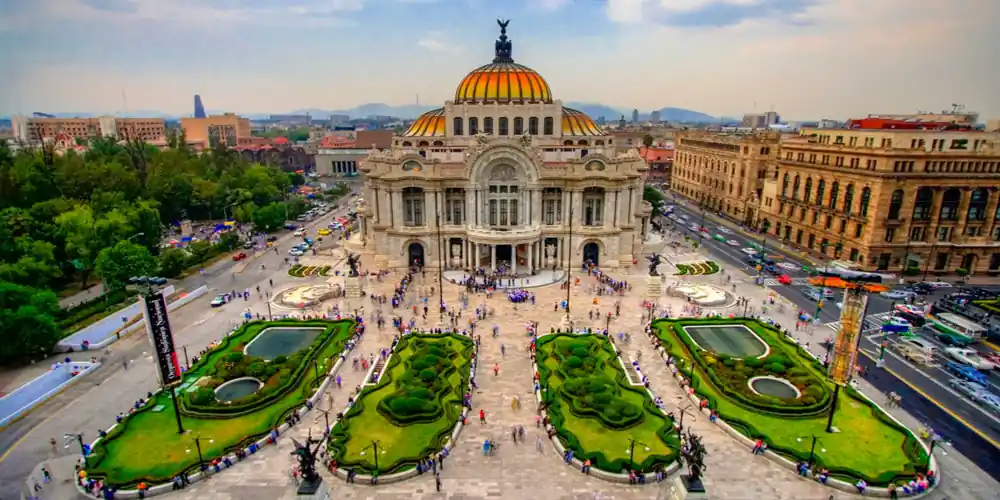 Palacio de Bellas Artes dominates one of Mexico City's grandest public spaces
Palacio de Bellas Artes is Mexico City's leading cultural landmark. White marble façade, Art Nouveau exterior, and Art Deco interior make it one of the city's most recognizable buildings. Inside, visitors come to see monumental murals by Diego Rivera, José Clemente Orozco, David Alfaro Siqueiros, and other leading Mexican artists.
The palace also serves as a working theater, presenting concerts, ballet, opera, and performances by the Ballet Folklórico de México throughout the year. Learn more about these collections in our guide to Mexico City museums.
Bellas Artes & Centro Historico walking Tour →
Paseo de la Reforma & The Angel of Independence
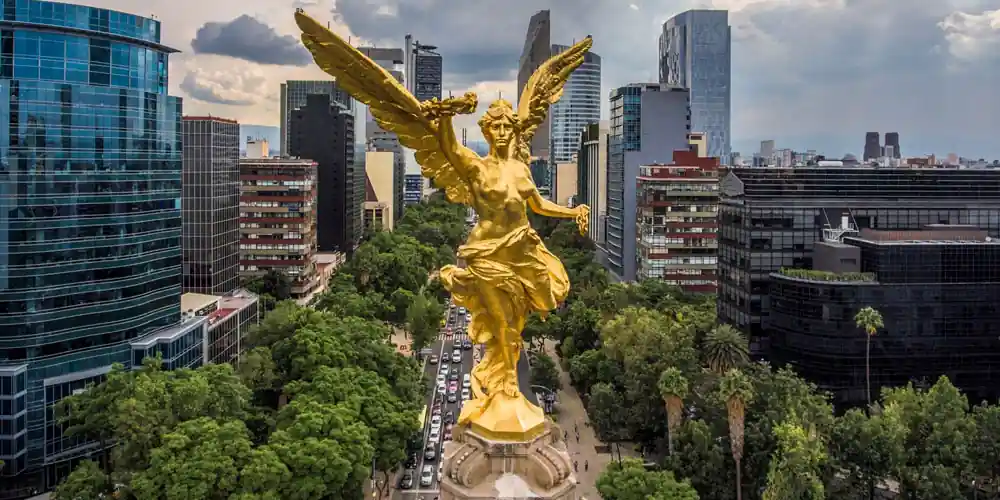 The Angel of Independence on Paseo de la Reforma
Paseo de la Reforma is Mexico City's grand boulevard, linking Chapultepec Park with the historic center. Wide sidewalks, modern office towers, public art, and major monuments line the avenue, while the Angel of Independence rises from one of its busiest intersections as the city's best-known monument.
Walking along Reforma also connects several of the city's most popular neighborhoods. Roma Norte, Condesa, Juárez, and Polanco all lie nearby, making the boulevard a natural starting point for seeing different sides of Mexico City. Our guide to Mexico City neighborhoods explains what makes each area worth visiting.
The Basilica of Guadalupe
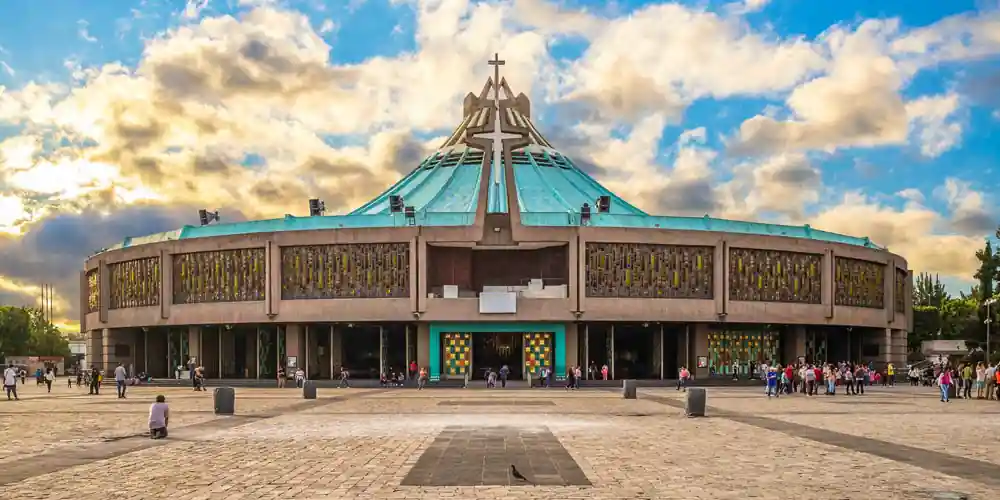 The modern circular Basilica of Guadalupe in Mexico City
The Basilica of Guadalupe combines two very different churches on the same site. The original basilica dates from the early 1700s, while the circular modern shrine, completed in 1976, was built after the older church became unstable. Together they illustrate more than three centuries of Mexican religious architecture.
The newer basilica has space for tens of thousands of worshippers and displays the image of the Virgin of Guadalupe above the main altar. Visitors can walk between the two churches, the surrounding plazas, and several smaller chapels that form the larger shrine complex.
Teotihuacán & Basilica of Guadalupe Tour With Lunch →
Which Attractions Should You Visit?
First Visit
Start with the Historic Center, Chapultepec Park, the National Museum of Anthropology, and Palacio de Bellas Artes. Together they introduce Mexico City's history, architecture, public spaces, and art.
Art & Culture
Choose the National Museum of Anthropology, the Frida Kahlo Museum, and Palacio de Bellas Artes. Together they span Mexico's Indigenous civilizations, its most celebrated artist, and the country's great muralists.
Ancient Mexico
Visit Templo Mayor and Teotihuacán to see two very different civilizations. Templo Mayor preserves the ceremonial center of the Aztec capital, while Teotihuacán dates from many centuries earlier.
Families
Chapultepec Park provides room to walk, relax, and visit museums, while Xochimilco adds a colorful boat ride through the city's historic canals.
Short Visit
If you have only two or three days, focus on the Historic Center, the National Museum of Anthropology, Chapultepec Park, and Palacio de Bellas Artes. These attractions provide a broad introduction before adding day trips or neighborhood visits.
Mexico City Attractions FAQs
WHAT ATTRACTIONS SHOULD I SEE FIRST IN MEXICO CITY?
Start with the Historic Center, Chapultepec Park, the National Museum of Anthropology, and Palacio de Bellas Artes. Together they introduce the city's history, architecture, public spaces, and art.
IS TEOTIHUACÁN INSIDE MEXICO CITY?
No. Teotihuacán is outside Mexico City, about an hour from the center by car. It is usually treated as a day trip rather than a city attraction.
HOW MANY DAYS DO I NEED FOR MEXICO CITY ATTRACTIONS?
Three days gives you time for the Historic Center, Chapultepec Park, the Anthropology Museum, Frida Kahlo Museum, and one evening around Roma, Condesa, or Reforma. Add a fourth or fifth day for Xochimilco, Teotihuacán, or more museums.
WHICH MEXICO CITY ATTRACTIONS NEED ADVANCE TICKETS?
The Frida Kahlo Museum is the main attraction to book ahead. Teotihuacán, Xochimilco, and the National Museum of Anthropology are easier to visit with guided tours when you want transportation, commentary, or a more structured day.
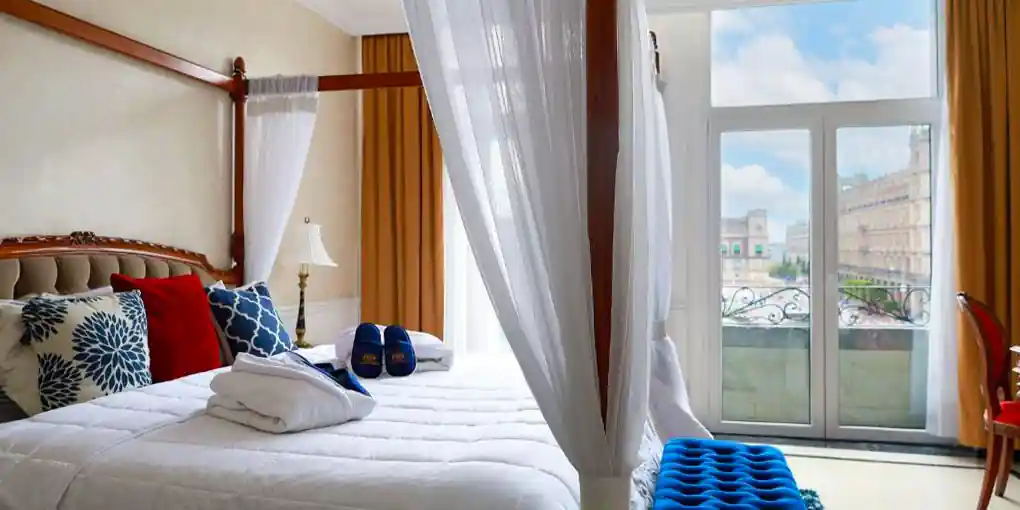
Find Your Mexico City Hotel
The best Mexico City hotels book up fast, and a good location saves time every day. This search pulls together top-rated 5-star stays with strong reviews in the key neighborhoods. It's easy to compare and to book with confidence.
Find The Right Mexico City Hotel
In Mexico City the neighborhood often matters more than the hotel.
Compare highly-rated hotels in Roma Norte, Condesa, Polanco, Coyoacán, and Centro Histórico.