Mexico City Walking Tours: History, Food & Neighborhoods
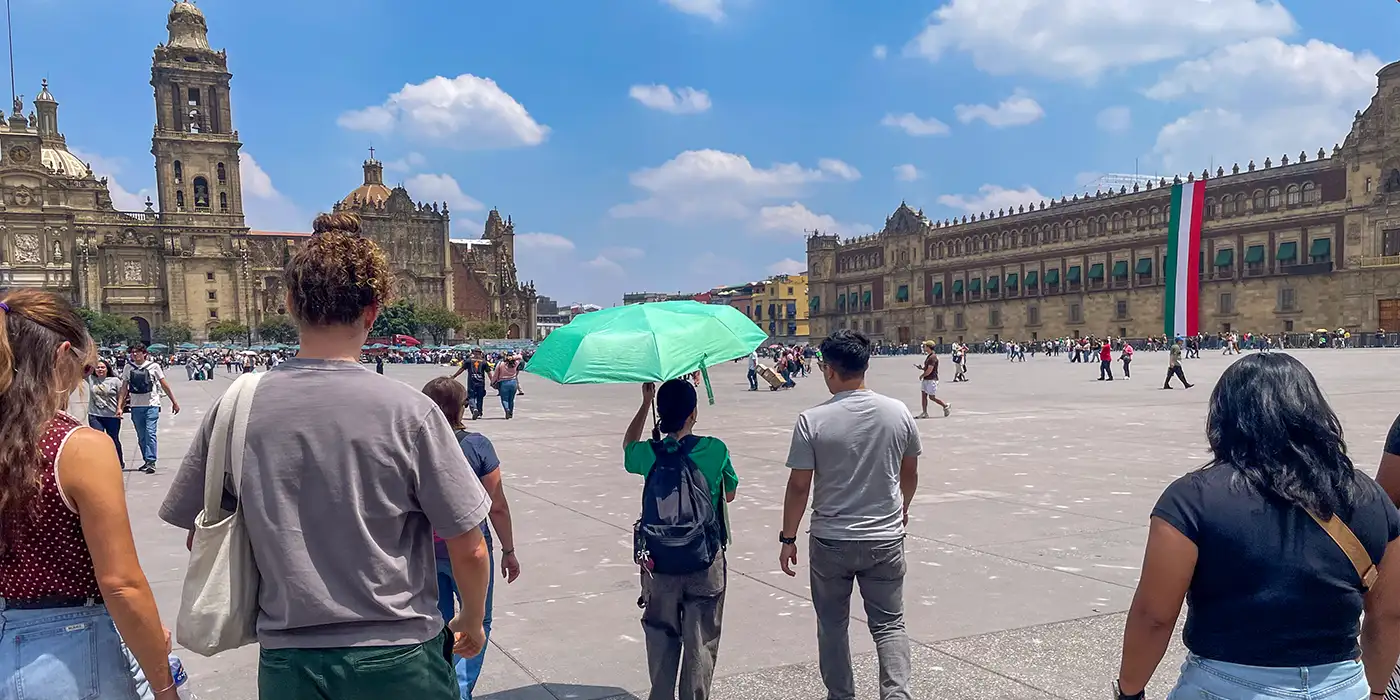 Walking tour in the Zócalo – Diane Shaskin
Mexico City covers a vast area, but its neighborhoods, markets, plazas, and historic streets are best seen on foot. A walking tour brings you close to tiled facades, murals, food stalls, old houses, monuments, and the details of daily life along the way.
A walk through the historic center takes you from the Aztec remains of Tenochtitlan to colonial churches, grand 19th-century buildings, and the murals of the 20th century. Other tours head into markets and street-food stalls, follow the architecture and neighborhood streets of Roma and Condesa, or concentrate on the artists and murals that changed the face of the city.
Walk Through The Streets Of Ancient Tenochtitlan
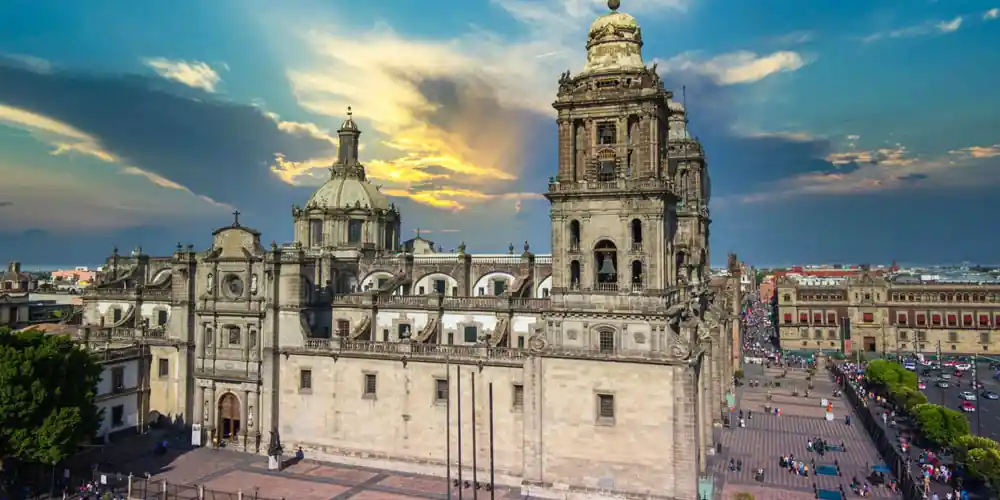 The Metropolitan Cathedral overlooks the Zócalo, the historic heart of Mexico City
Before Mexico City became the capital of New Spain, it was Tenochtitlan, the island city built by the Mexica in Lake Texcoco. This guided walking tour traces that earlier city through the streets surrounding the Zócalo, using archaeological remains, colonial buildings, and surviving fragments of the original urban layout to show how the Mexica capital evolved into modern Mexico City.
The route connects places that many visitors pass without understanding their significance. For travelers interested in the origins of Mexico City, no other walking tour provides a stronger introduction to the history of the Aztec world and the city that stands above it today.

Roma Norte & Condesa On Foot
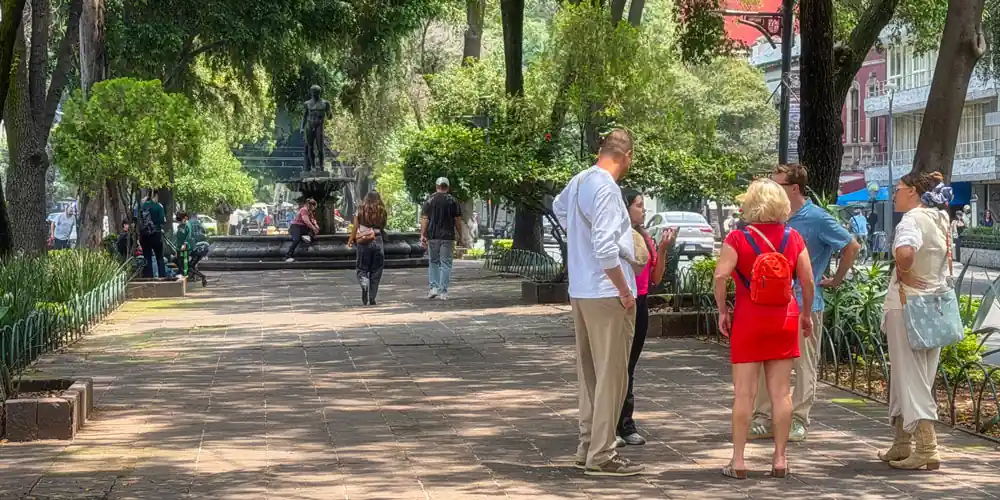 Walking tour in Roma Norte – Mark Craft
Roma and Condesa, southwest of the Historic Center, contain some of Mexico City's best-known residential streets. This guided walking tour focuses on the architecture, parks, cafés, and public spaces that define the two neighborhoods, while tracing their development from early twentieth-century districts into some of the city's most desirable addresses.
The route passes Art Deco buildings, restored mansions, small plazas, and Parque México, one of the area's best-known landmarks. It is a different side of Mexico City from the grand avenues and historic monuments of the center, with a closer look at everyday life in the surrounding neighborhoods.
Historic Center & Bellas Artes
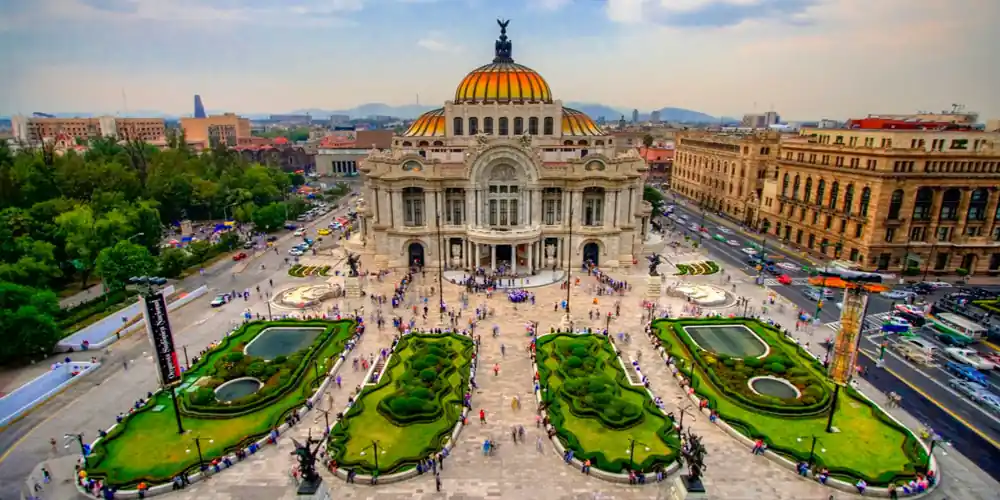 The Palacio de Bellas Artes is the leading performing arts venue
The Historic Center contains many of Mexico City's most important landmarks within a relatively compact area. This guided tour combines the Zócalo, the Metropolitan Cathedral, and surrounding historic streets with a visit to the Palacio de Bellas Artes, one of the country's most recognizable cultural buildings. Along the way, guides explain how the district developed from the colonial period into the political and cultural center of modern Mexico.
For first-time visitors, this tour provides a broad introduction to the city's history, architecture, and public spaces. It covers many of the places that appear on a typical Mexico City itinerary while adding historical background that is easy to miss when visiting independently.
Mexico City Through Diego Rivera's Murals
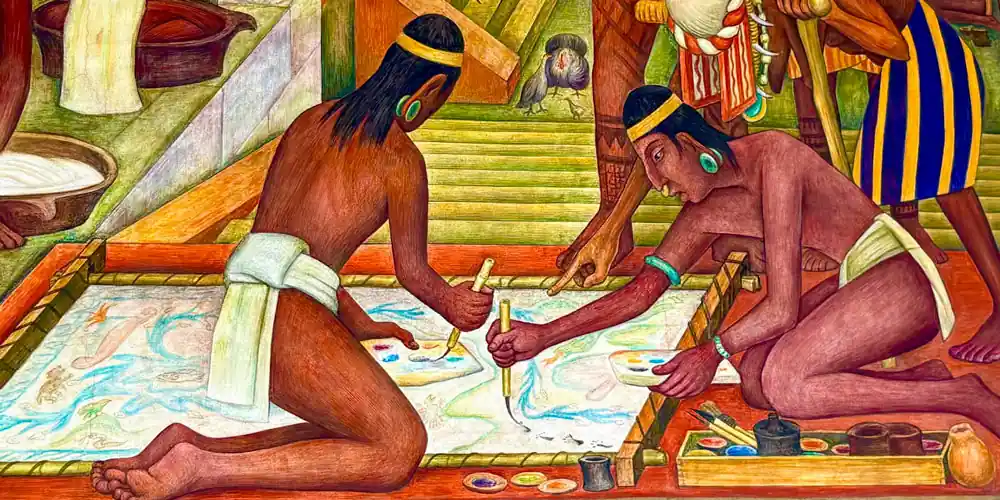 A Diego Rivera mural depicting pre-Hispanic Mexico
Diego Rivera's murals appear throughout central Mexico City, covering the walls of government buildings, former schools, and cultural institutions with scenes from Mexican history. This guided tour visits several of Rivera's most important works while explaining the political ideas, historical events, and public commissions that shaped them.
The murals are filled with historical figures, political symbolism, and scenes from Mexico's past. Guides explain the people, events, and ideas depicted in the paintings, making the artwork easy to understand and place within the broader history of Mexico.
A Taco Tour Across The Historic Center
 Tacos – Mexico City's most iconic food
Tacos are one of Mexico City's defining foods, but knowing where to stop can make a substantial difference. This guided walking tour visits several taquerías in and around the Historic Center, including a Michelin-recognized location, while introducing participants to different styles of tacos and the traditions behind them.
The route combines food with the surrounding city streets, markets, and neighborhoods. Between tastings, guides discuss local ingredients, regional influences, and the role tacos play in everyday life across Mexico City.
Chapultepec Castle & The Anthropology Museum
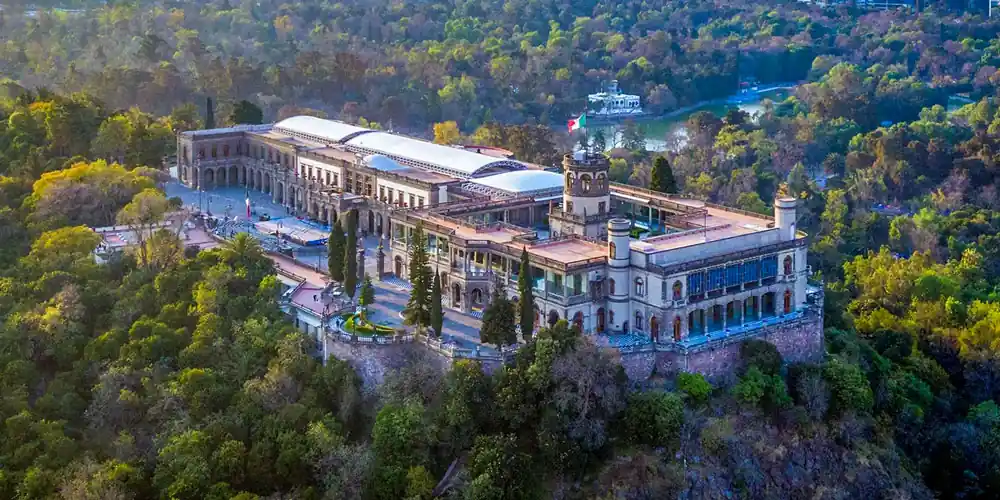 Chapultepec Castle rises above Chapultepec Park
Rising above Chapultepec Park, the castle occupies one of the highest points in Mexico City and serves as the starting point for this private guided tour. From the castle, the tour continues to the National Museum of Anthropology, home to the country's most important collection of pre-Hispanic artifacts.
Together, the two sites cover centuries of Mexican history. The castle preserves royal apartments, ceremonial rooms, and military history, while the Anthropology Museum houses some of the country's most important archaeological treasures, including the Aztec Sun Stone and artifacts from civilizations across Mesoamerica.
See the museum's permanent collections at the National Museum of Anthropology.
A Private Introduction To Mexico City
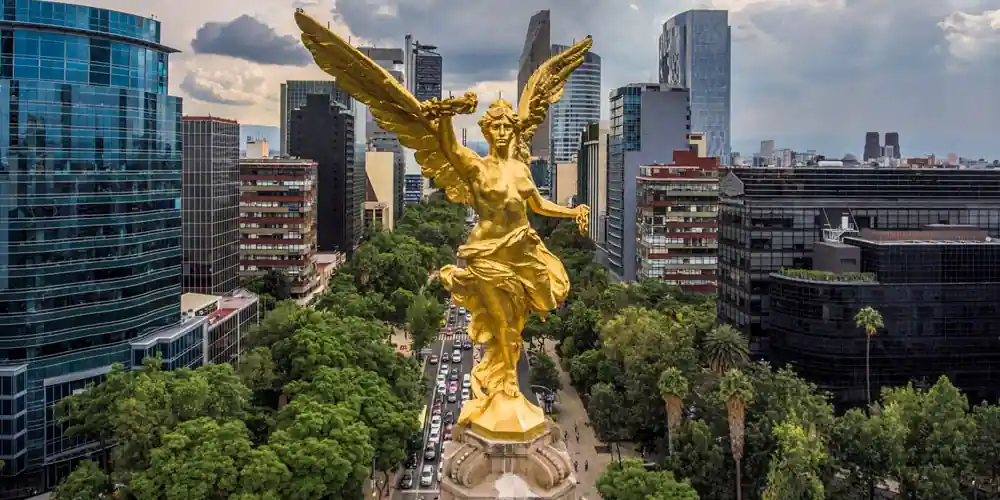 The Angel of Independence on Paseo de la Reforma
Two hours in Centro Histórico takes you through centuries of Mexico City history. Starting at Palacio de Bellas Artes, this private walk continues past the Palacio Postal and Plaza Tolsá to Casa de los Azulejos, then into the older heart of the city at Templo Mayor, the Zócalo, and Metropolitan Cathedral. The route moves from the remains of the Aztec capital through the colonial city and into the grand public architecture of the 19th and early 20th centuries.
A private tour gives you more freedom to follow your own interests. Your guide can lead you down side streets, point out architectural details and hidden corners, and add stops that make sense as the walk develops. There is time to ask questions, linger over a building or archaeological site, and spend more of the tour on the subjects that catch your attention.
Why Walking Tours Work So Well In Mexico City
Many of Mexico City's most recognizable streets, plazas, parks, and landmarks are concentrated in distinct districts. The Historic Center, Roma, Condesa, Coyoacán, and Chapultepec each have their own layout, architecture, and history, making them particularly well suited to exploring on foot.
Walking tours also provide access to stories that are easy to miss independently. Guides connect buildings, plazas, markets, murals, and monuments to the people and events that shaped them, creating a clearer picture of how the city developed over time.
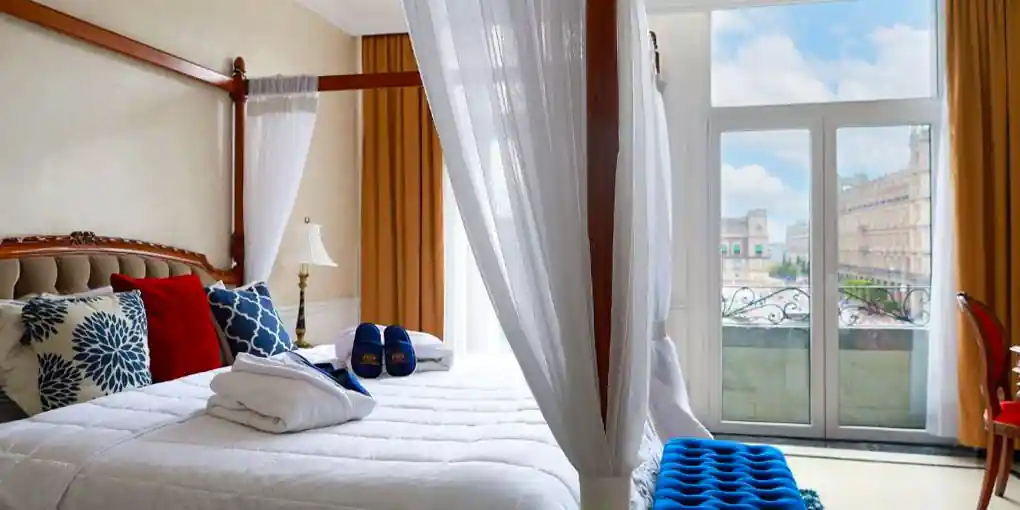
Find Your Mexico City Hotel
The best Mexico City hotels book up fast, and a good location saves time every day. This search pulls together top-rated 5-star stays with strong reviews in the key neighborhoods. It's easy to compare and to book with confidence.
Mexico City Walking Tour FAQs
WHICH MEXICO CITY WALKING TOUR IS BEST FOR FIRST-TIME VISITORS?
The Historic Center & Bellas Artes tour provides the broadest introduction to Mexico City's landmarks, architecture, and history. Visitors looking for a wider overview of the city may prefer the Private City Tour, which can incorporate several districts and attractions into a single itinerary.
WHICH WALKING TOUR FOCUSES ON AZTEC HISTORY?
The Historical Walking Tour of Tenochtitlan focuses on the origins of Mexico City and the remains of the Mexica capital that once occupied the site of today's Historic Center. It provides the strongest introduction to the city's pre-Hispanic history.
ARE WALKING TOURS IN MEXICO CITY SAFE?
The tours featured on this page take place in well-visited areas such as the Historic Center, Roma, Condesa, Chapultepec, and major cultural institutions. As in any large city, guides help visitors navigate unfamiliar areas and provide local knowledge throughout the tour.
HOW MUCH WALKING IS INVOLVED?
Most walking tours involve two to four hours of walking on city streets, plazas, sidewalks, and museum grounds. Exact distances vary by tour, so it is worth checking the tour description before booking. Expect uneven pavement and cobblestone streets, so wear sensible shoes.
Find The Right Mexico City Hotel
In Mexico City the neighborhood often matters more than the hotel.
Compare highly-rated hotels in Roma Norte, Condesa, Polanco, Coyoacán, and Centro Histórico.